What I Wish I Knew Before Being Diagnosed With Borderline Personality Disorder And What You Should Know
Before I was diagnosed with Borderline Personality Disorder (BPD), I moved through life feeling like everyone around me had a manual for emotions except me. I felt everything at full volume, all the time, and I didn’t know why. A simple text, a slight change in tone, or a tiny shift in someone’s behavior could send me into panic. I would spiral into worst case scenarios before anything had even happened.
It was exhausting to feel like I was living in a world where every emotion was a storm. When I finally got my diagnosis, it didn’t fix the storms, but it helped me understand where they came from. And with time, support, and the right tools, I learned that I could still live a healthy, meaningful life.
Here is what I wish I knew sooner, and what I want others to know too.
1. My Feelings Were Catastrophic, And I Thought It Was My Fault
One of the hardest parts of living with BPD before I knew what it was, was the intensity of my reactions. Something small could hit me like a disaster.
A simple text like “ok” could send me spiraling.
I would reread it over and over, convinced the person was mad at me, disappointed in me, or planning to leave me.
My chest would tighten, and I would start imagining entire scenarios that weren’t real.
Did I say something wrong? Did I annoy them? Did they suddenly hate me?
I once spent an entire evening panicking because a friend took slightly longer than usual to reply. When they finally did, the message was cheerful and completely normal. They had just been busy cooking dinner.
To me, it felt catastrophic.
To them, it was just real life.
That gap in perception made me feel broken. I didn’t understand why my emotions reacted like alarm bells over small things. I do now. And if you relate, it does not make you weak. It makes you human with a sensitive emotional system that deserves understanding.
2. I Thought I Was “Too Much,” But I Was Simply Unaware Of How My Brain Worked
Before my diagnosis, I genuinely believed there was something fundamentally wrong with me.
Why did I feel so rejected when real rejection wasn’t happening?
Why did I go from loving someone deeply to feeling terrified they would disappear within minutes?
Why did every disagreement feel like abandonment?
The truth is that BPD doesn’t define who you are as a person. It explains how your emotions function. It describes a pattern, not a personality flaw. Learning that helped me stop blaming myself and start understanding myself.
3. I Can Live A Healthy Life With The Right Tools
Therapy taught me skills that I wish I had known years earlier.
Grounding exercises.
Mindfulness.
Learning to pause before reacting.
Understanding that my first emotional impulse is not always the truth.
There was a time when I genuinely believed I would spend my life dominated by these feelings. Now I know that recovery isn’t about eliminating emotions. It’s about navigating them safely.
With tools like DBT, self compassion, and healthier communication, my life became calmer. Not emotionless, just balanced.
4. The “Norms” Of BPD Explain So Much Of My Past
Once I learned about BPD patterns, so much finally made sense.
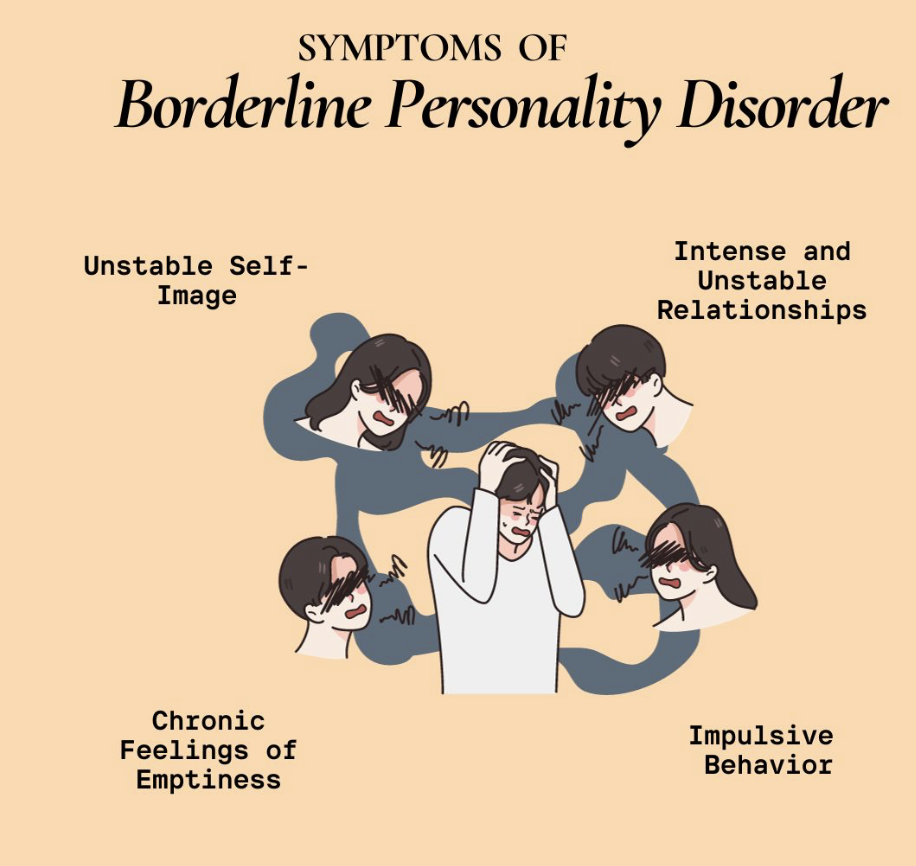
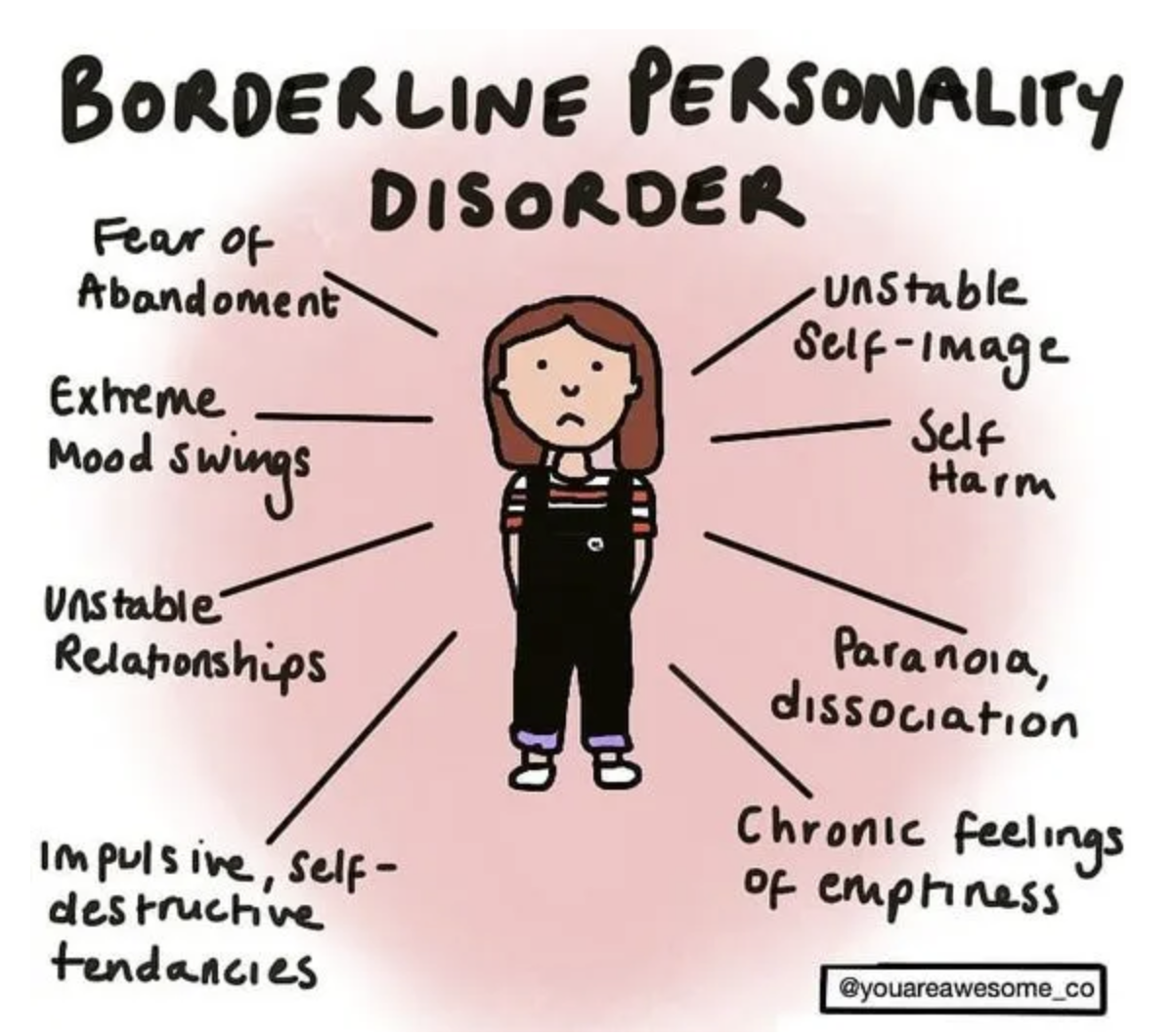
The fear of abandonment.
The black and white thinking.
The intense love that flips into panic.
The over analyzing of every word someone says.
The way I could build an entire narrative out of a single text message.
The emptiness that crept in during quiet moments.
Knowing these were symptoms, not failures, helped me let go of a lot of shame. I wasn’t “crazy” or “dramatic.” I was someone with a disorder that affects emotional regulation.
5. I’m Not Hard To Love. I Just Needed Understanding
There were so many moments where I thought people would leave because of how big my emotions were.
If someone didn’t reassure me, I felt like I was drowning.
If someone sounded short with me, I assumed they hated me.
If someone canceled plans, I believed they didn’t care.
But I learned that with the right communication, the right boundaries, and the right people, relationships can actually become stronger. When people understand BPD, they can respond with clarity instead of confusion, patience instead of frustration.
And I learned something important.
I am not too much.
I just feel deeply.
And deep feeling is not a flaw.
6. I Deserve Compassion, Especially From Myself
Living with BPD often means fighting battles no one else sees. The internal dialogue can be loud and painful. I spent years punishing myself for emotions I didn’t understand. Now I know I deserve the same compassion I offer others.
Healing doesn’t mean never struggling.
It means treating yourself like you deserve love even on the days you don’t feel lovable.
7. A Diagnosis Is The Beginning, Not The Ending
If I could go back and tell my younger self anything, it would be this.
You are not hopeless.
You are not broken.
You are not a burden.
You are someone who feels intensely and deserves tools, support, and understanding.
This diagnosis is the start of understanding your world, not the end of it. With the right tools, you can live a healthy, meaningful life. And you deserve to.
-D
